

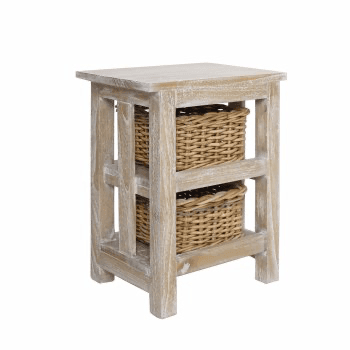
A well-designed living room is not only about choosing a comfortable sofa or an attractive coffee table. Smaller furniture pieces can also make a major difference in both appearance and functionality. A thoughtfully selected Barbados side table can provide a convenient surface for drinks, books, lamps and decorative accessories while complementing the overall style of your interior. With different sizes, materials, shapes and finishes available, choosing the right table requires some consideration.
Consider the Size of Your Living Room
Before buying a side table, measure the available space carefully. The table should provide enough surface area for everyday use without making the room feel crowded. In smaller homes, compact furniture can help maintain an open and comfortable layout.
Think about the space beside your sofa or armchair and consider how much room is needed for movement. A small side table can work particularly well beside a single chair, while a larger end table may be more suitable next to a spacious sofa.
The height is equally important. Ideally, the tabletop should be close to the height of the sofa or chair arm. This makes it easier to reach drinks, books, remote controls and other frequently used items.
Match the Table With Your Existing Furniture
Your side table should complement the furniture already present in the room. Look at the colour, material and design of your sofa, coffee table, flooring and other decorative elements before making a decision.
For a classic interior, a wooden side table can introduce warmth and natural character. Contemporary spaces may benefit from a modern side table featuring clean lines, simple shapes and understated finishes. If your room already contains bold furniture, a minimalist design can create a balanced appearance.
Matching does not mean every piece needs to look identical. Combining different textures and finishes can create a more interesting and personalised living space.
Choose the Right Material
Material plays an important role in durability, appearance and maintenance. Wood remains a popular choice because it offers a timeless appearance and can work with many interior styles.
A solid wood table can provide durability and a natural feel, while engineered wood may offer a more affordable option. Glass can make a small room appear more spacious because its transparent surface creates a lighter visual effect. Metal tables can add a modern industrial character to contemporary interiors.
When selecting furniture, consider both appearance and practical requirements. A material that looks attractive but requires excessive maintenance may not be the best choice for a busy household.
Think About Functionality
A side table should do more than fill an empty space. Consider how you plan to use it every day. If you enjoy reading in the living room, you may want a table with enough space for a reading lamp and books. If you regularly entertain guests, a sturdy tabletop can provide a convenient place for beverages and snacks.
Storage can also be valuable. Some designs include drawers, shelves or cabinets where you can keep remotes, magazines and other small items. This can help reduce clutter and keep your living room organised.
For minimalist interiors, an open accent table may be sufficient. For homes where storage is important, choose a design that combines a useful tabletop with additional storage space.
Select a Shape That Complements the Room
The shape of your table can influence the overall visual balance of your living room. Square and rectangular tables generally work well beside sofas because they provide practical surface space.
Round tables can soften rooms that contain many straight lines. They are also useful in areas where people frequently walk around the furniture because there are no sharp corners.
If your sofa has a contemporary design, a geometric table may create a stylish contrast. For traditional interiors, curved or classic designs can provide a more coordinated appearance.
Pay Attention to Colour and Finish
Colour is another important consideration when selecting home décor. Neutral shades such as white, beige, brown, grey and natural wood tones are versatile and can complement a wide range of interiors.
Dark finishes can create contrast against lighter furniture, while lighter finishes can make a compact room feel brighter. Natural wood grain can also introduce warmth and texture without overwhelming the existing décor.
Instead of choosing a colour based solely on current trends, consider how well it will work with your furniture and interior style over time.
Consider the Height and Proportion
Proportion is one of the most overlooked aspects of furniture selection. A table that is too high or too low can look awkward and may also be inconvenient to use.
Compare the table height with your sofa seat and armrest. The tabletop should generally be easy to reach while sitting down. Also consider the size of the surrounding furniture. A very small table next to a large sectional sofa may appear unbalanced, while an oversized table can dominate a compact seating area.
Maintaining proportion helps create a more polished and professionally designed interior.
Use a Side Table to Enhance Your Décor
A well-selected table can become an important decorative feature. You can style it with a table lamp, small plant, decorative tray, books, candles or a carefully selected ornament.
However, avoid placing too many objects on the surface. A clean and organised arrangement usually looks more sophisticated. Leave enough empty space for practical use while adding a few accessories that reflect your personal style.
If your living room already has several decorative elements, keep the table styling simple. The goal is to enhance the room rather than create unnecessary visual clutter.
Think About Durability and Maintenance
Furniture used every day should be able to withstand regular use. Check the construction quality, joints, tabletop strength and finish before purchasing.
If the table will be placed in an area where drinks and food are frequently used, choose a surface that is easy to clean. Families with children or pets may also prefer durable materials that can handle everyday wear and tear.
Following the manufacturer's cleaning recommendations can help preserve the finish and extend the furniture's useful life.
Choose Furniture That Reflects Your Lifestyle
The best living room furniture is furniture that suits the way you actually use your home. Someone who prefers a minimalist interior may want a simple accent table with a clean design. Another homeowner may prefer a decorative end table with drawers and additional storage.
Think about your daily habits, available space and preferred interior style before making a purchase. This approach helps ensure that the table is both attractive and practical.
Conclusion
Choosing the right side table involves more than selecting an attractive design. Size, height, material, shape, colour, storage and durability should all be considered before making a decision. The right piece can provide useful surface space while helping create a more coordinated and comfortable living room.
Whether you prefer a wooden side table, contemporary accent table or compact end table, focus on quality and how well the furniture fits your existing space. With careful planning, even a small piece of furniture can make a noticeable difference to your home's comfort, organisation and overall appearance.